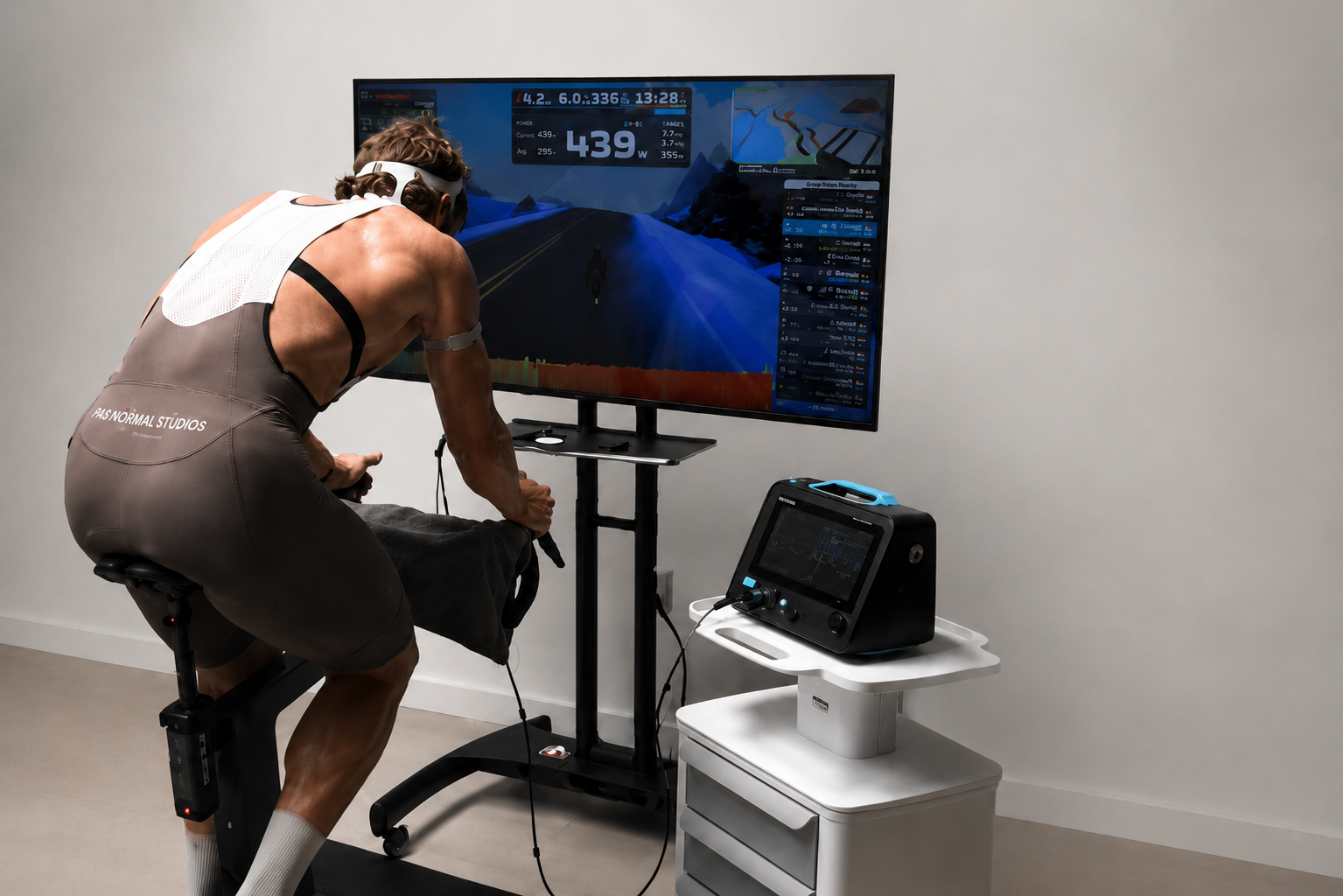
Built by someone
who does this himself.
Dr. Steve Elsbecker is an emergency medicine physician and a DO who came to medicine already being an athlete. He built this lab because the one he needed didn't exist.
He was training before he was practicing. That order matters.
Steve Elsbecker was training seriously before he was a physician. He completed an Ironman. He put in 5,000 miles on the bike last year. Endurance sport is woven into how he thinks and how he lives. He is consistently, genuinely on the bike in a way that is uncommon among physicians, which changes how he reads an athlete's data because he has felt what that data represents.
That background changes everything about how he reads a lactate curve. When he looks at your data and talks about what happens at threshold pace for two hours, he is not speaking theoretically. He has been there. He has suffered through it. He has also wondered, while suffering, exactly what his physiology was doing and whether he was in the right zone.
That question is what eventually led to NeverPeak. He had the medical training to understand what performance testing showed. He had the athlete experience to understand why it mattered. What he didn't have was a lab that put both in the same room. So he built one.
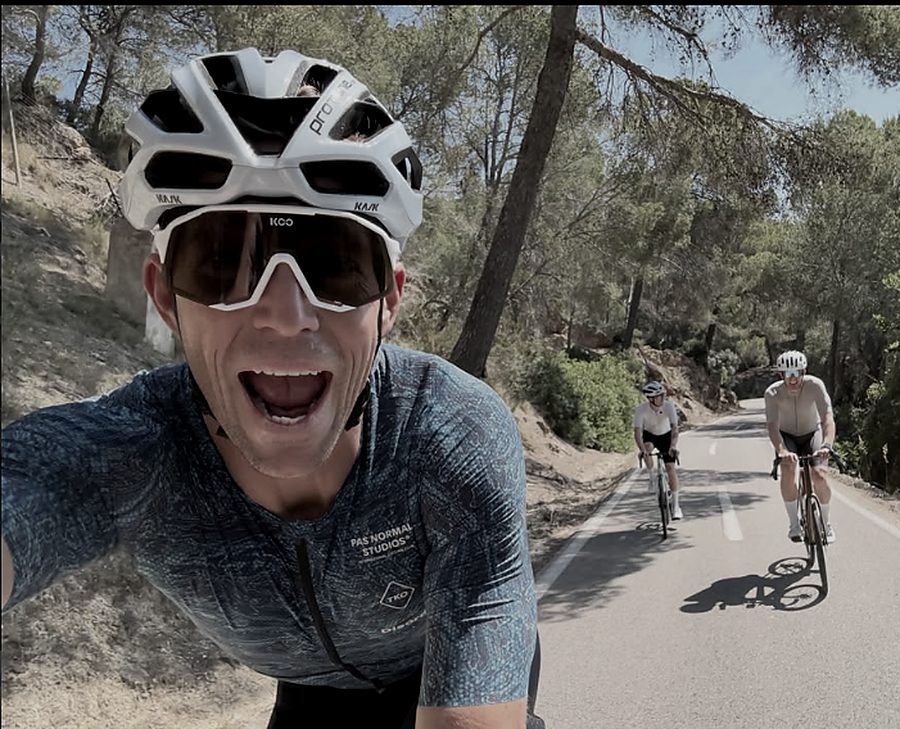
Board-certified, clinically trained, and still doing the work.
Dr. Elsbecker is a Doctor of Osteopathic Medicine, board-certified in emergency medicine. His clinical background means he reads your performance data alongside a complete medical picture, not just fitness metrics.
When your blood panel comes back, he's reading ferritin levels and testosterone and cortisol in the context of someone who trains 10-15 hours a week and is chasing a PR at a goal race. That's a different read than what you get at an annual physical.
He trains. He races. He has been tested on this same equipment.
There are physicians who understand exercise physiology academically. Steve understands it from inside the effort. He knows what it feels like to be deep in a lactate threshold interval and have no idea whether the suffering is productive or pointless. He built this lab partly because he got tired of not knowing.
Data first. Plain language always. No generic advice.
Steve has a particular frustration with how performance information gets delivered to athletes. Most test results come back as a number with a reference range and nothing else. Most training advice is one-size-fits-all. Most physicians who talk about fitness are working from textbook physiology, not personal experience at race pace.
His approach is the opposite. Every result comes with an explanation you can actually use. The zones are built from your data, not a template. The recommendations are based on where you are and what you're trying to do, not a general protocol for someone your age and weight.
He is also honest. If your VO2 max is going to limit your finish time at a goal race, he will tell you that and tell you what to do about it. If a blood marker looks like it might be affecting your recovery, he will say so and give you options. The point is not to make you feel good about your fitness. The point is to give you accurate information and then help you do something with it.
Come in and get tested.
Book a lab session or reach out with questions. Steve is reachable directly.